

Wallet creation
Setting up an inheritance arrangement so the owner finishes it: deferring what can wait, saving progress, and building the recovery path last.
The longest setup in this guide, and the one most likely to be abandoned. It needs several devices, at least one other person, and decisions the owner has never had to make.
Everything below is arranged around that: defer what can be deferred, save progress after every step, and build the recovery path last, once the keys are in place.
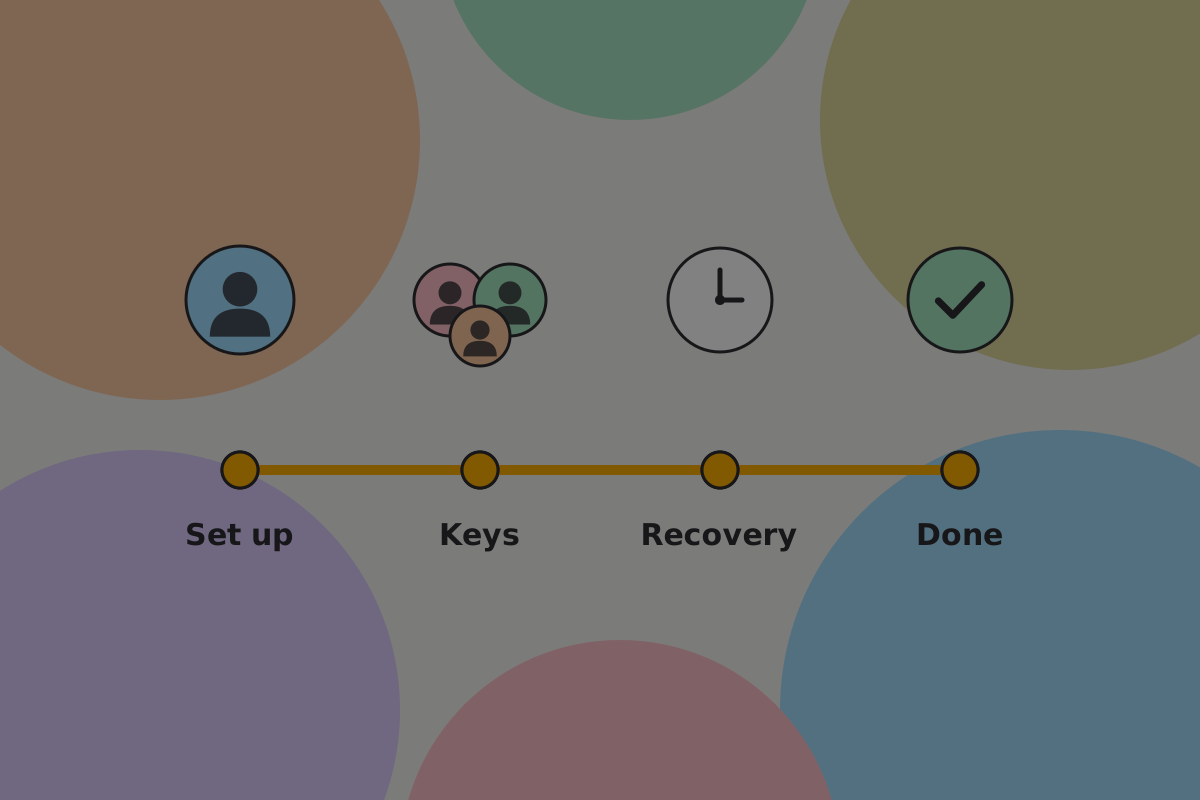
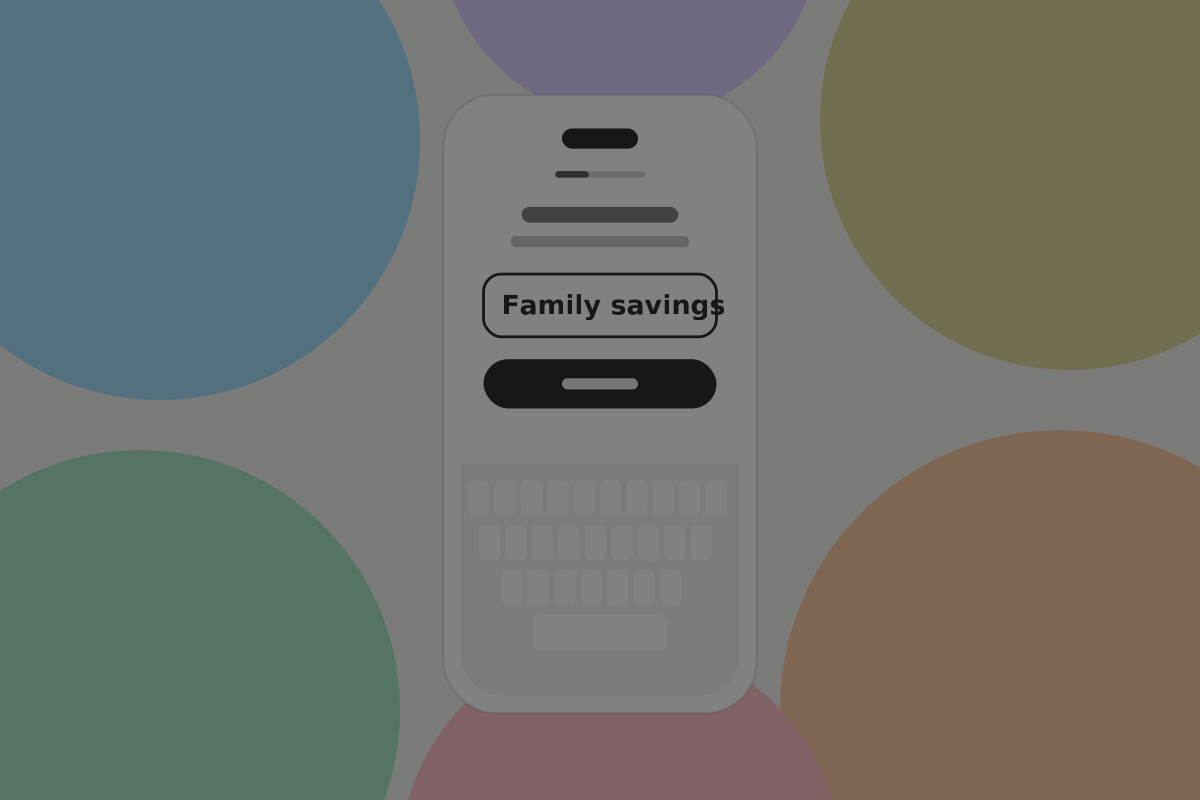
Explaining it first


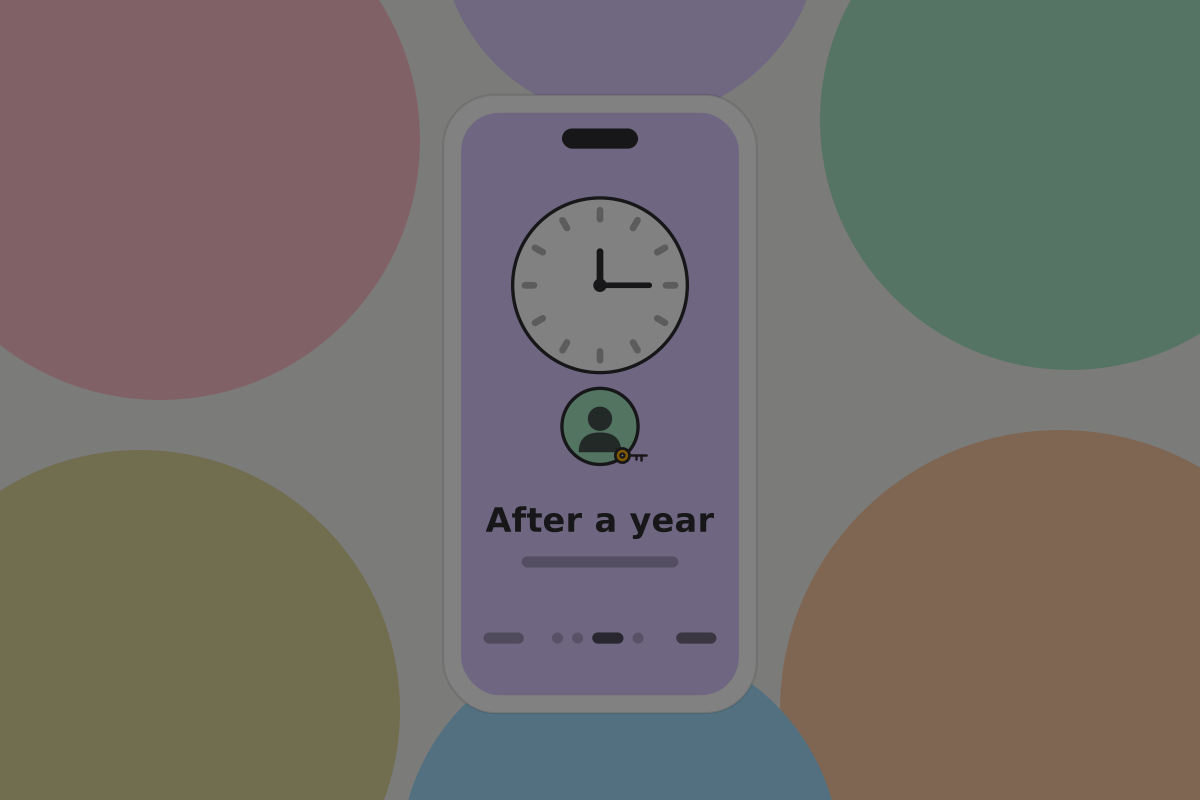
Four screens at most, each one idea, each in terms of what happens rather than what it is made of:
- Your money, and nobody can take it without you.
- If you are unavailable, the people you choose can reach it together.
- If you stop using it for a long time, one of them can reach it alone.
- You will need their help to set this up, and it may take more than one sitting.
Do
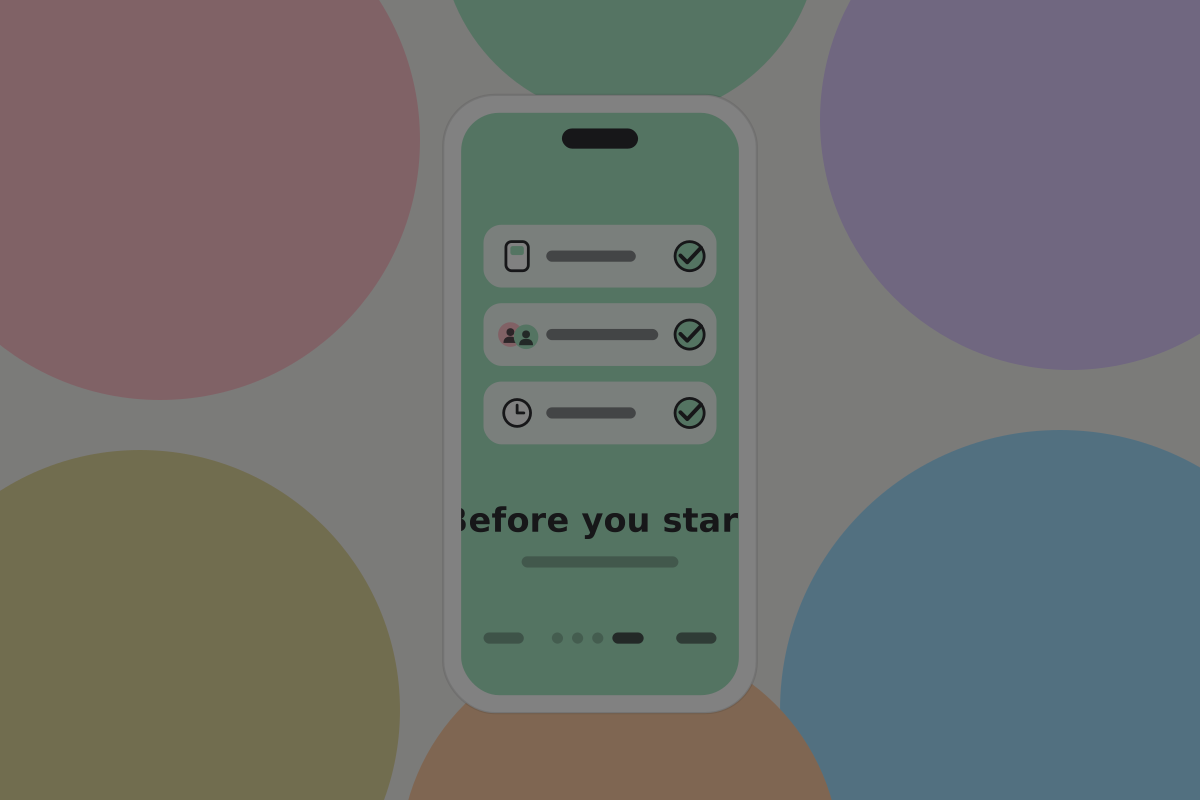
Say how long it takes and what is needed before starting. Somebody who begins without their signing device and without telling their partner will not finish.
Don't
Explain multi-key, thresholds or timelocks here. None of it helps somebody decide whether to start.
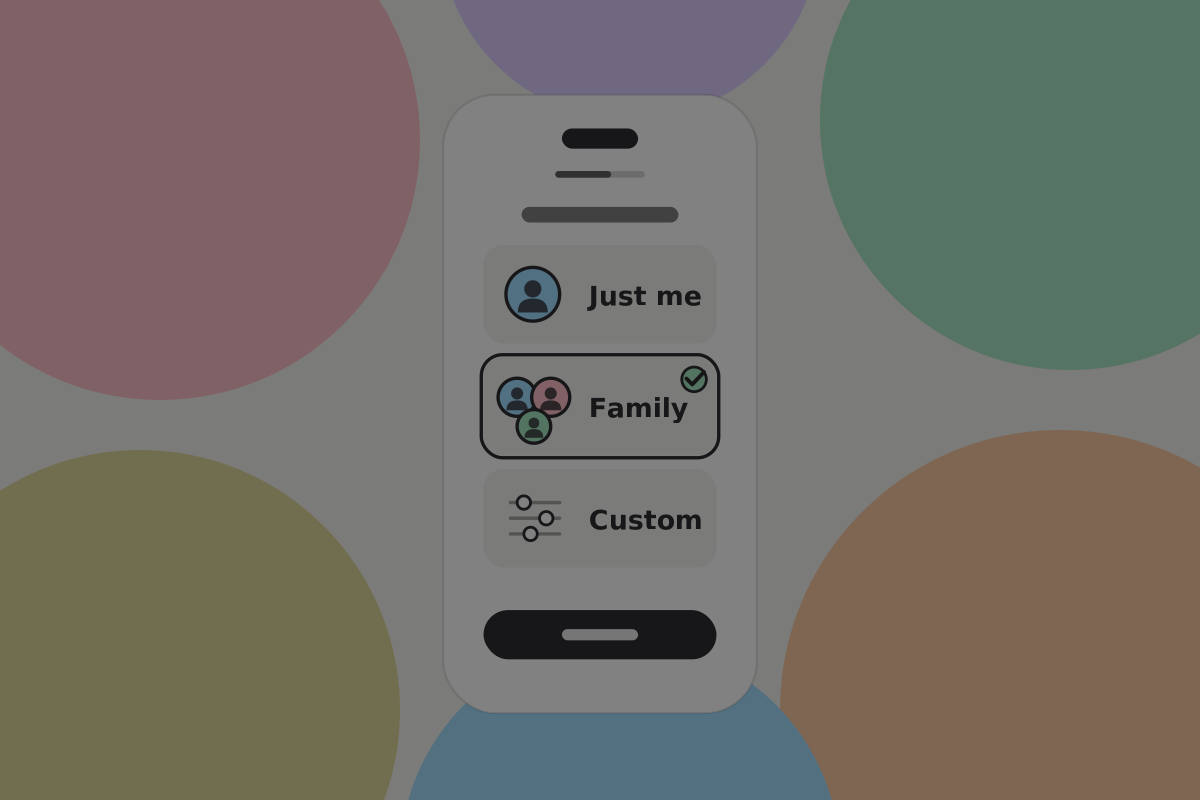
Naming it and choosing the shape

Do
Offer two or three named arrangements rather than a builder. "You and your partner, with your daughter inheriting" is a choice somebody can make; "2-of-4 with a 365-day recovery path" is not.
The keys
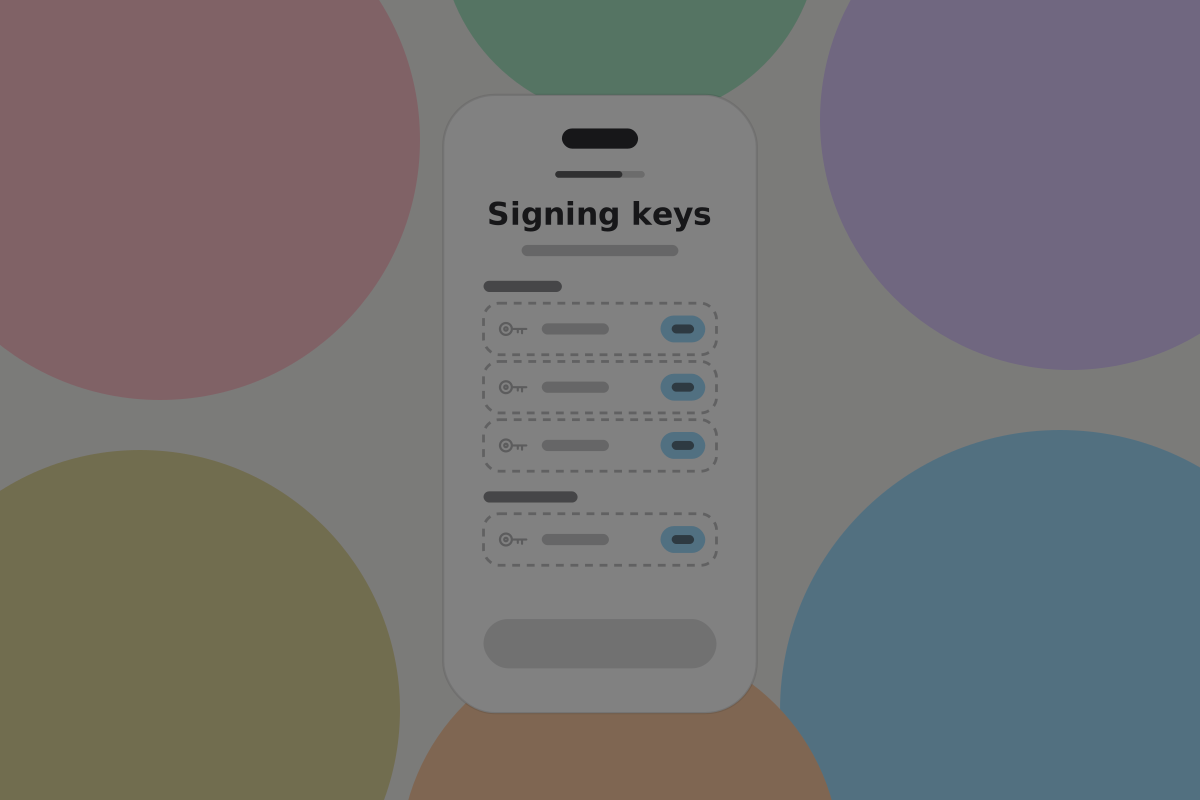
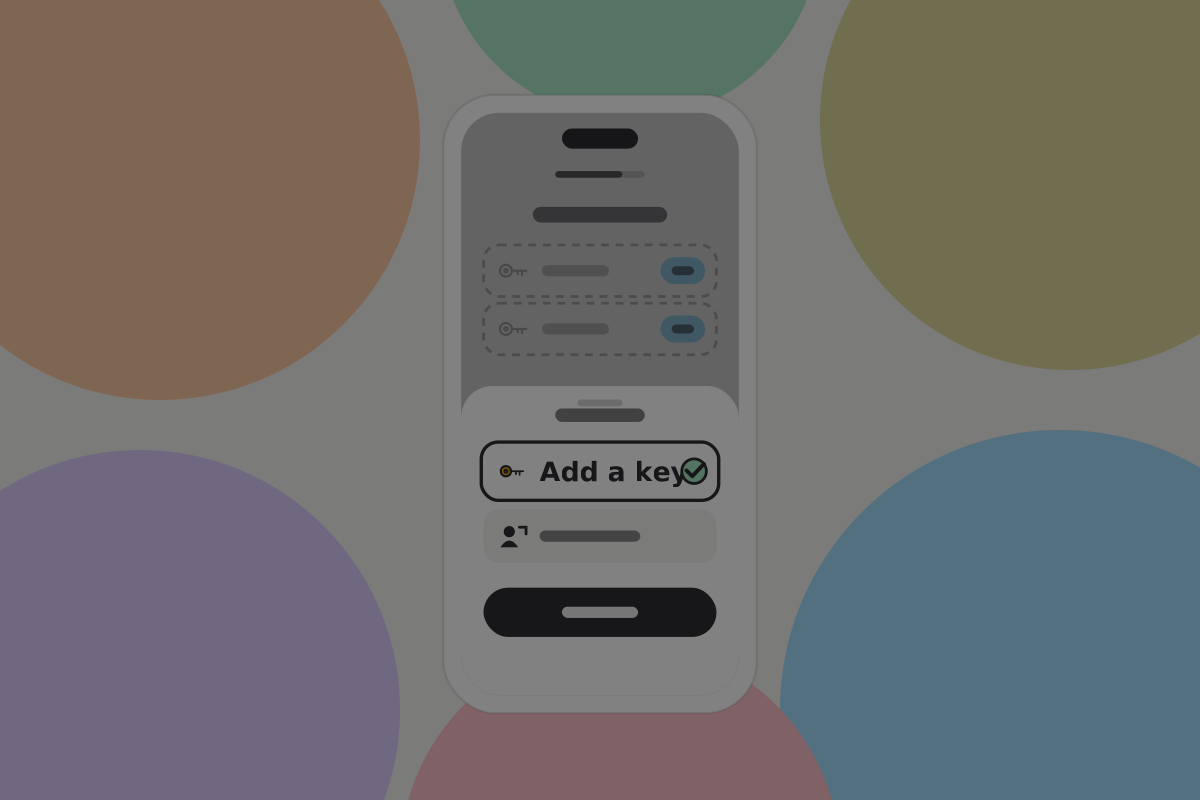
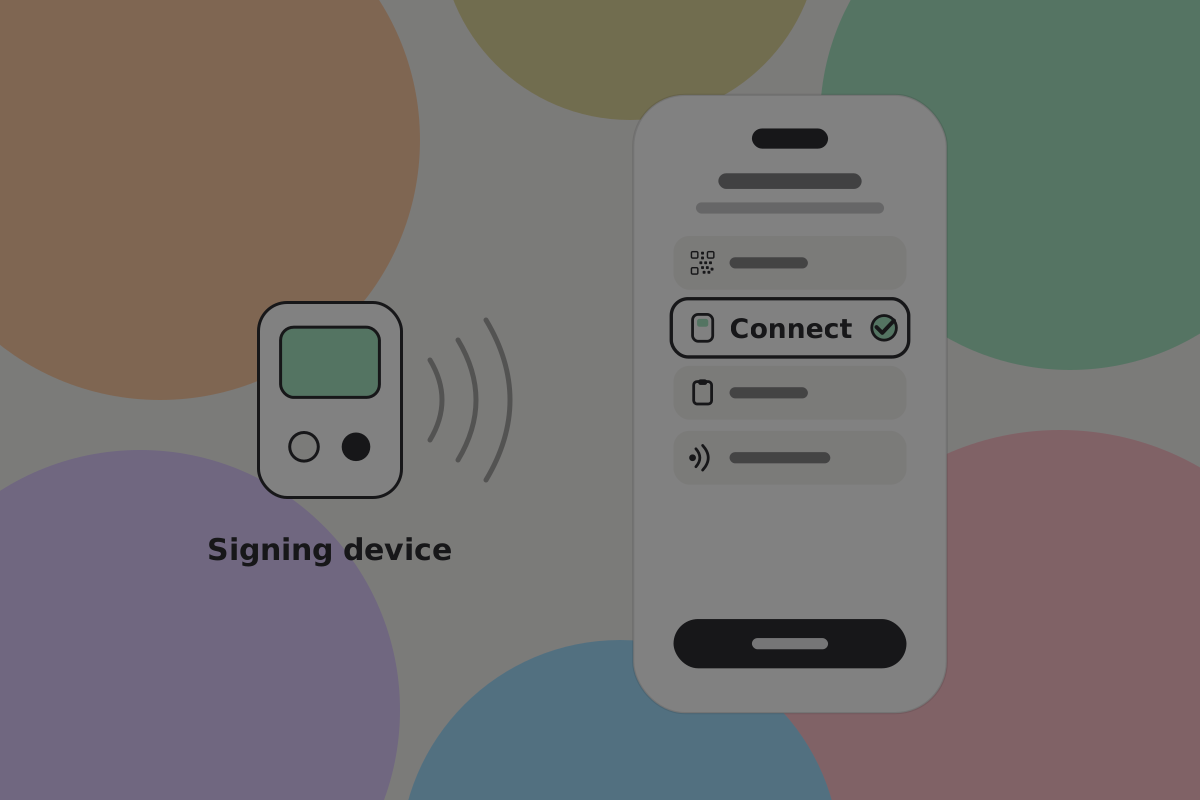
The owner's own keys first, because they need nobody else.
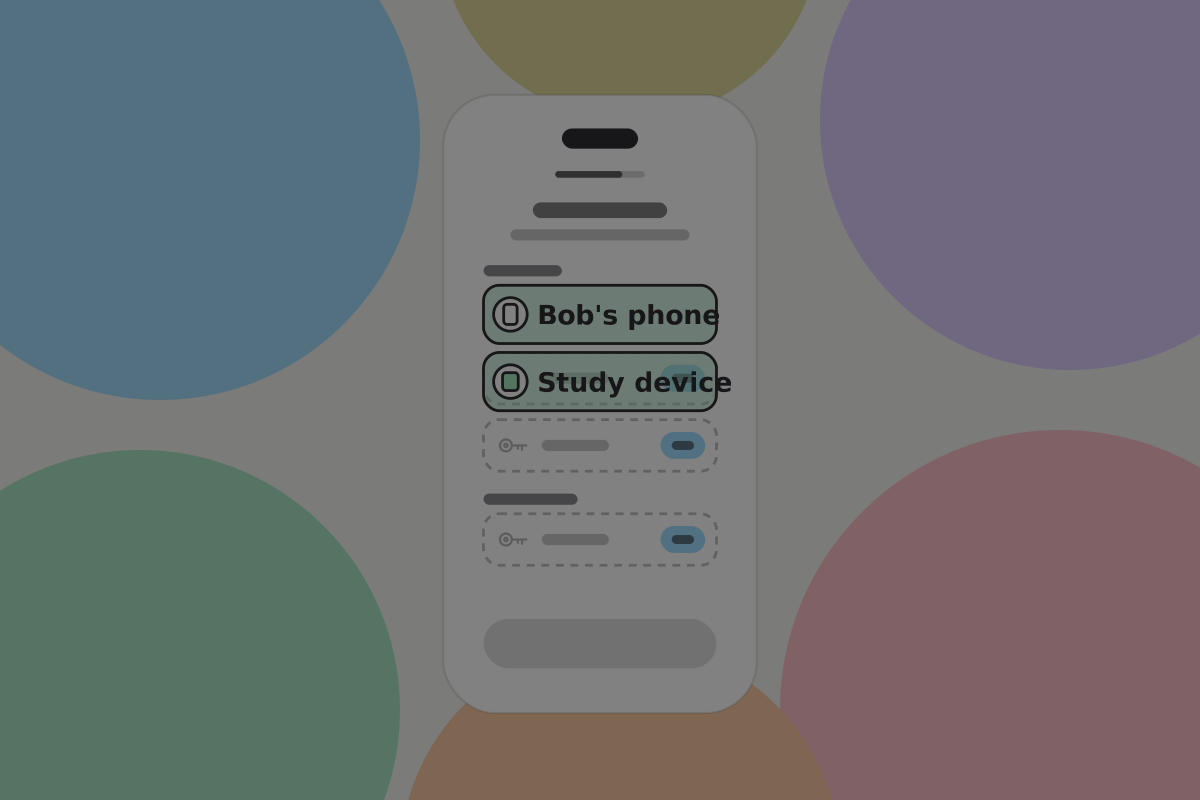
Do
Name each key by where it lives rather than by number. In two years "Signing device in the study" is recognisable and "Key 2" is not.
Asking other people for theirs
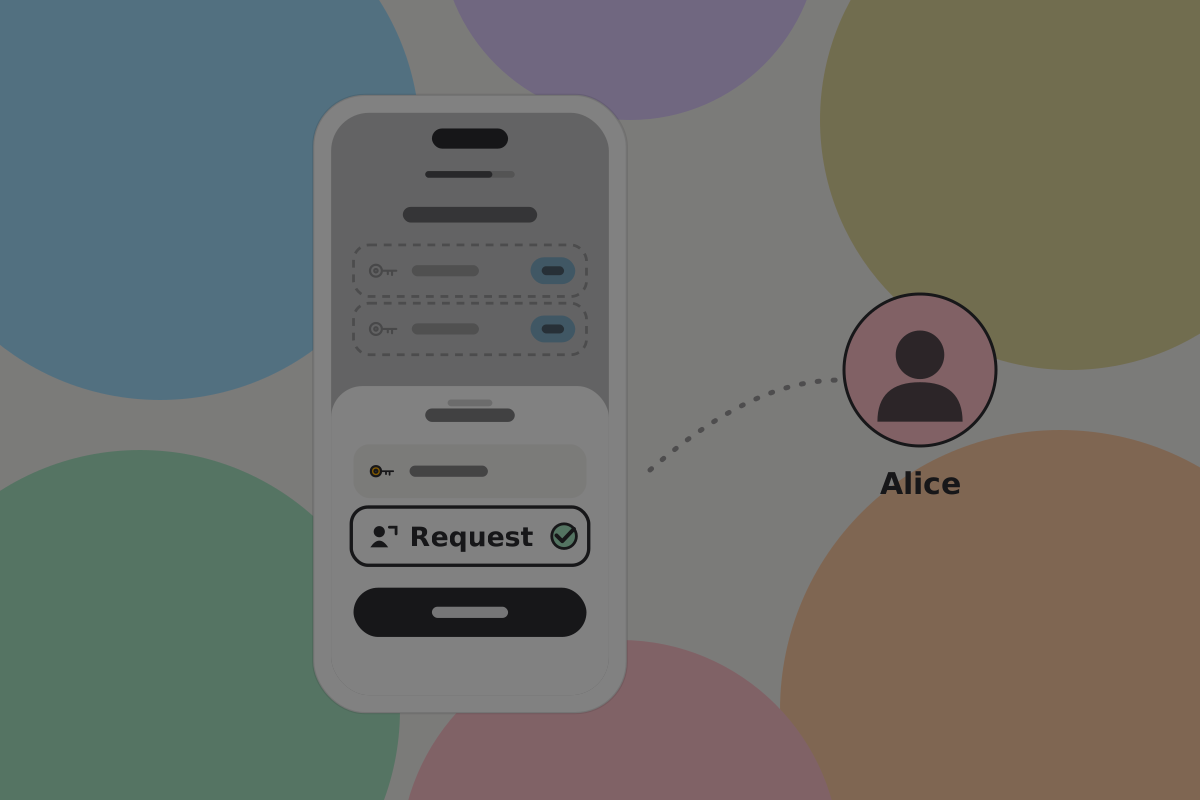

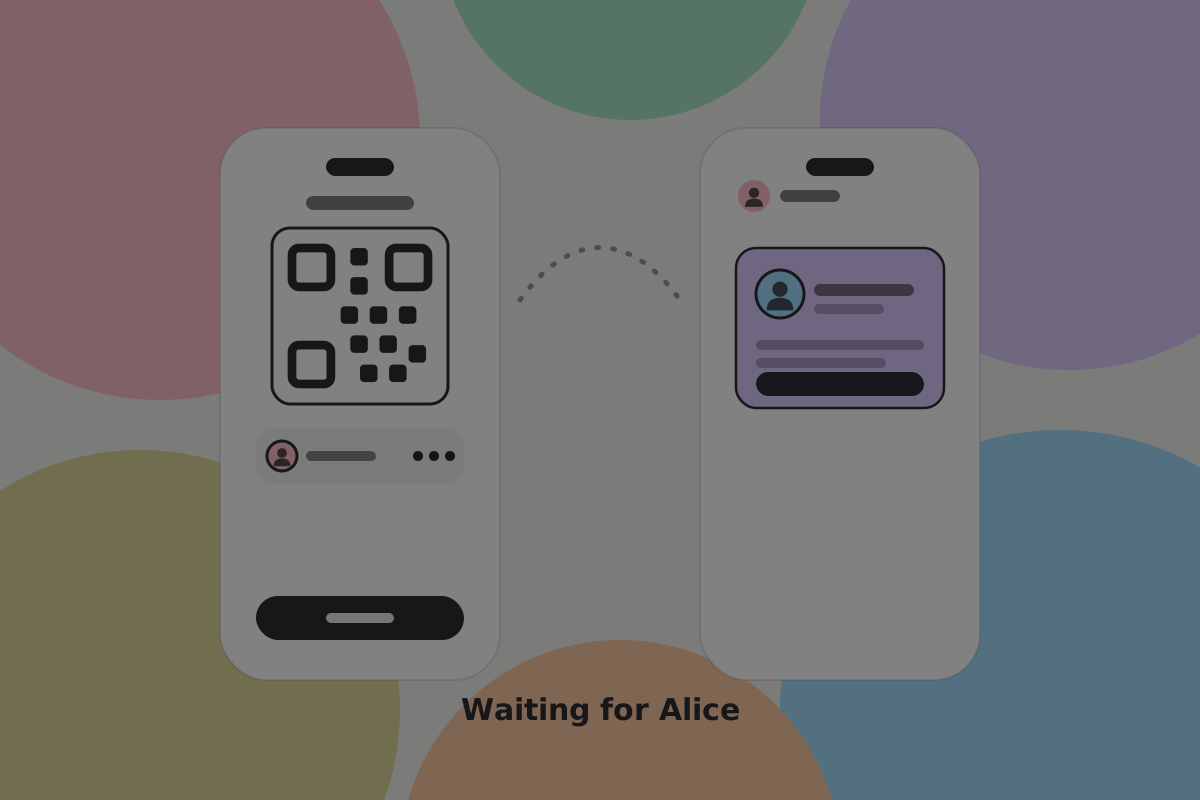
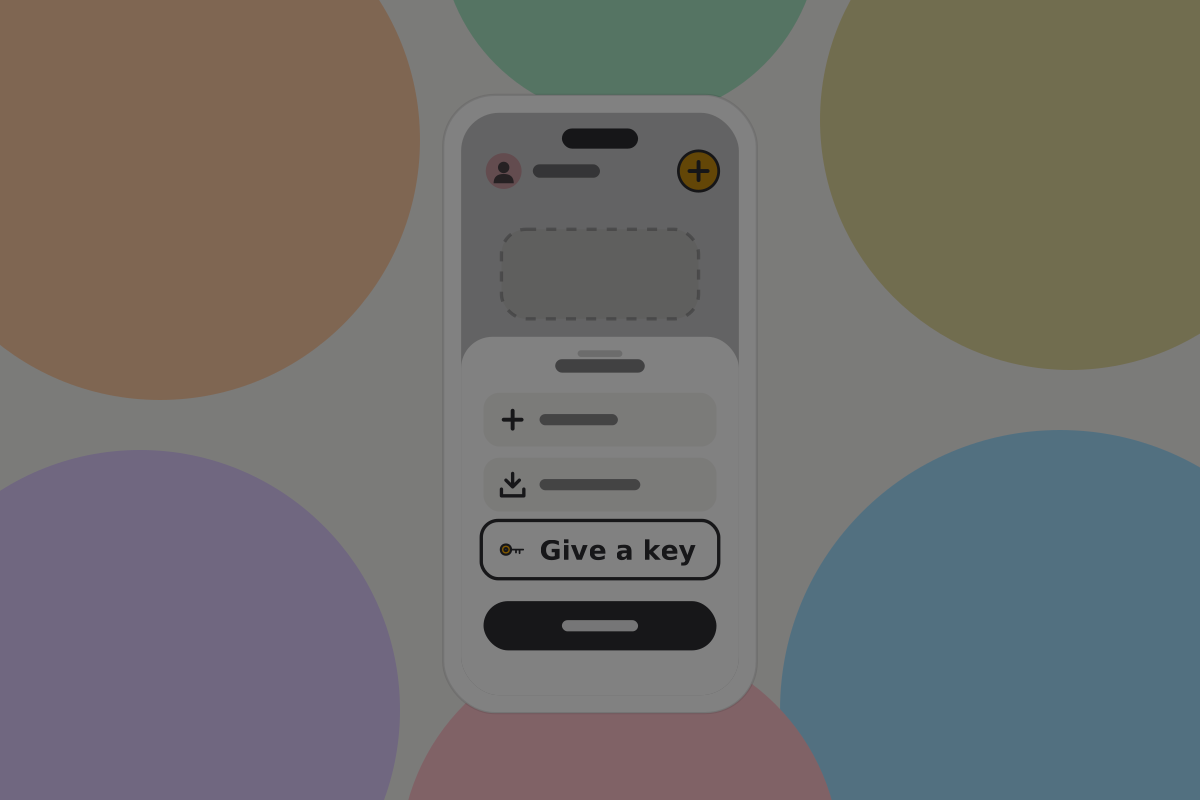
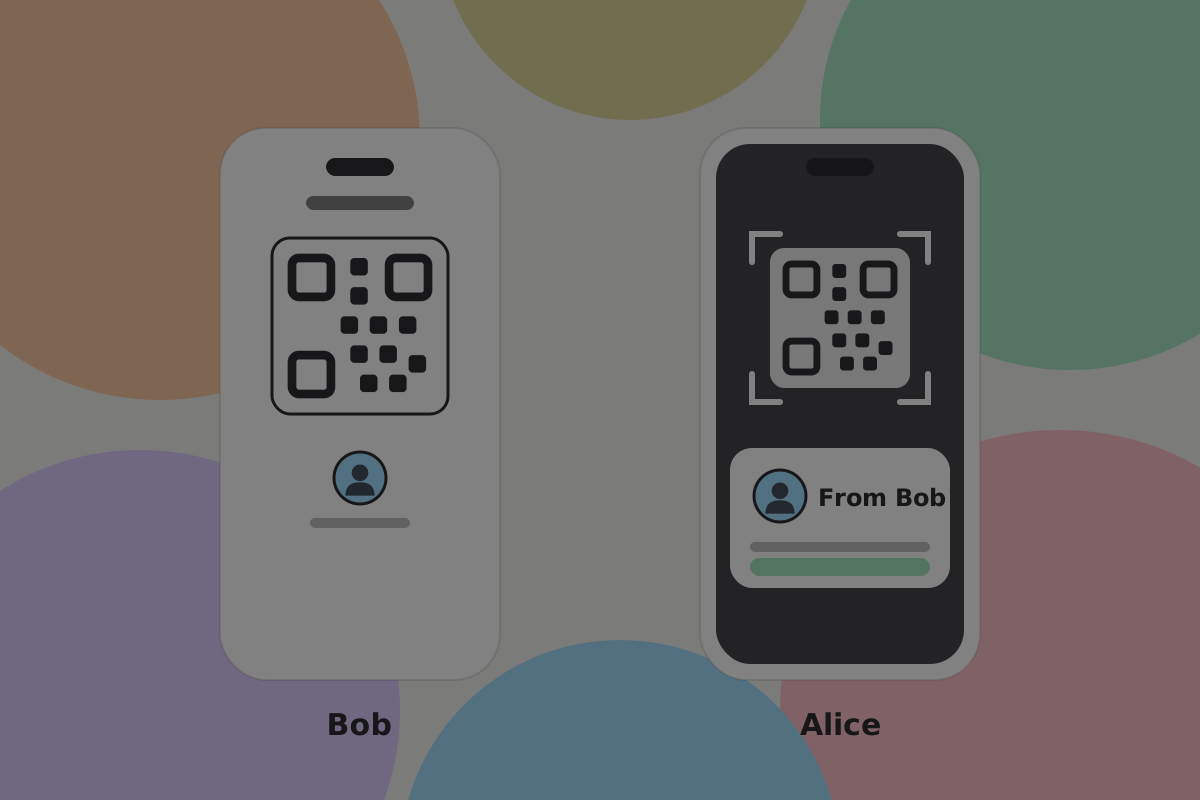
This is where the flow leaves the owner's hands, so it has to survive a gap of days.
Do
Send a request the other person can act on without explanation from the owner. It should say who is asking, what it is for, and that they are not being asked for money.
Do
Show the owner who has responded and who has not, and let them nudge.
Don't
Require everybody to be present at once. Coordinating three people in one sitting is the step most likely to stall.
The recovery path
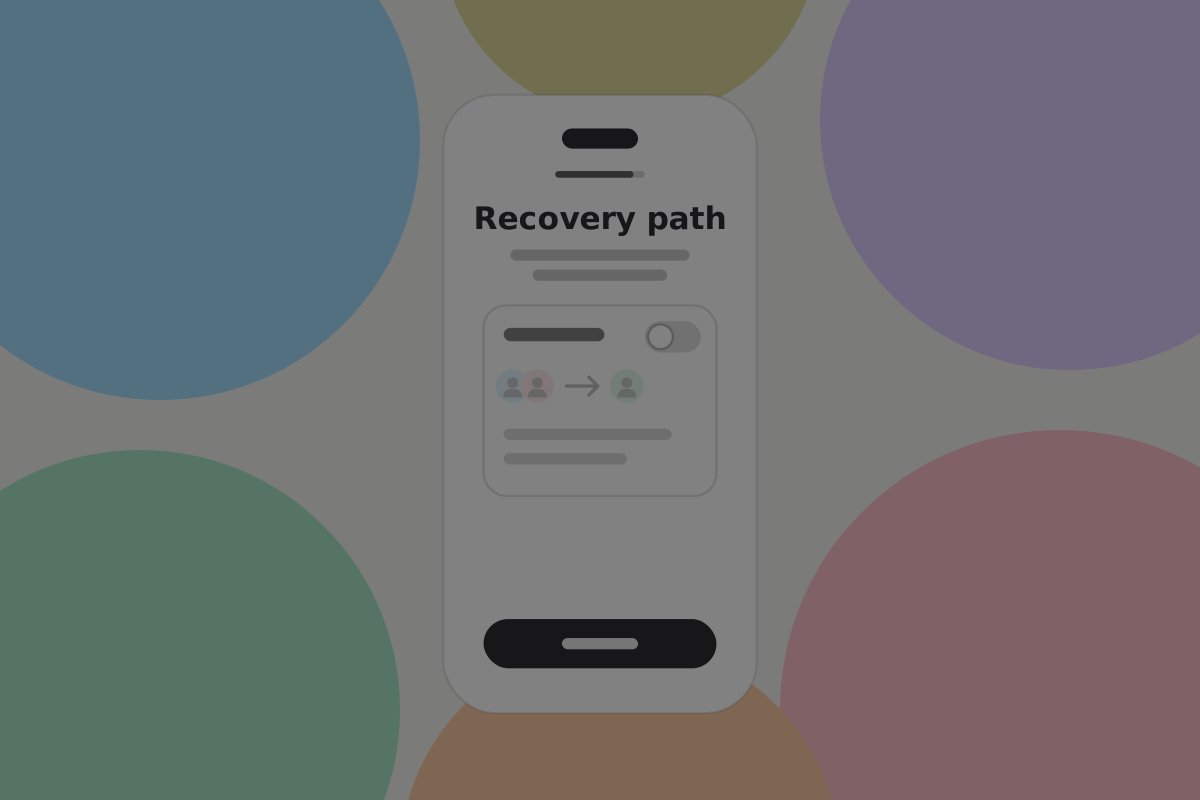

On BSV this is a transaction signed in advance with an nLockTime, not a condition on the output. The setup flow has to account for that in one way: it can only be built once the key set is final and the wallet holds money, because it spends outputs that do not exist until then.
So the order is: keys first, then a small rehearsal amount, then the path.
Do
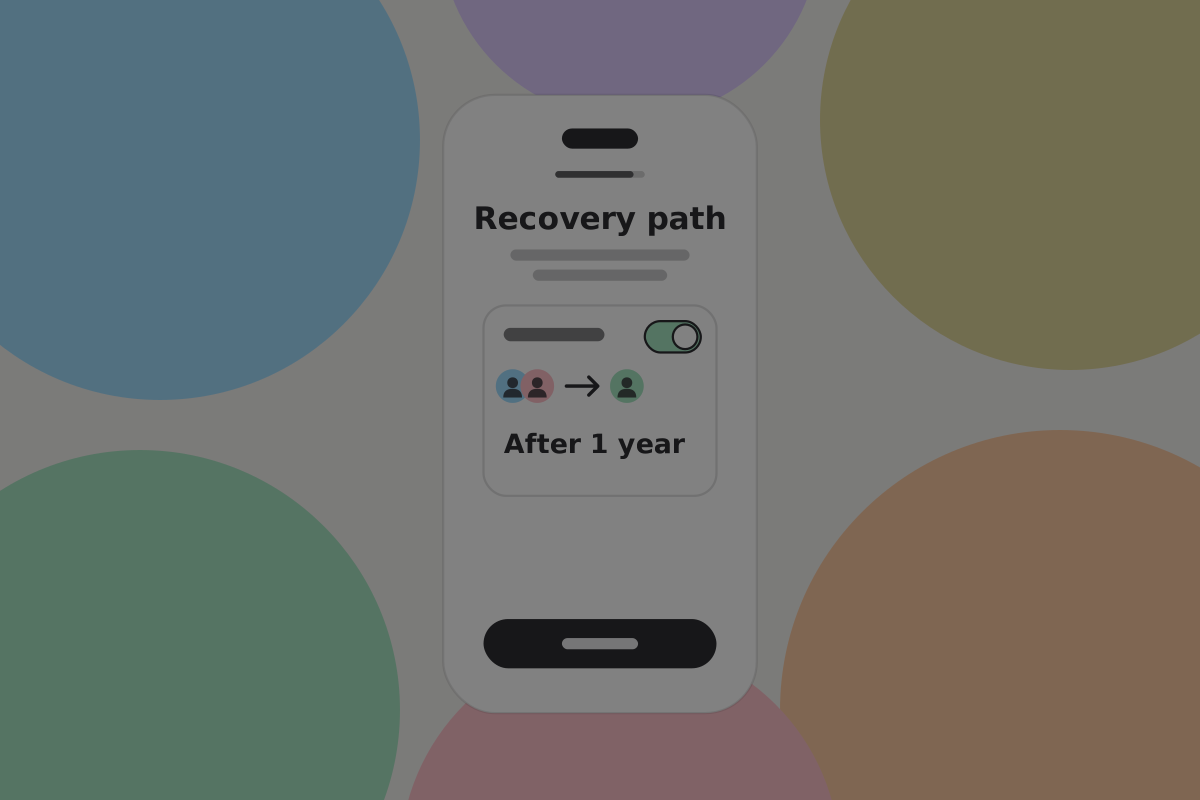
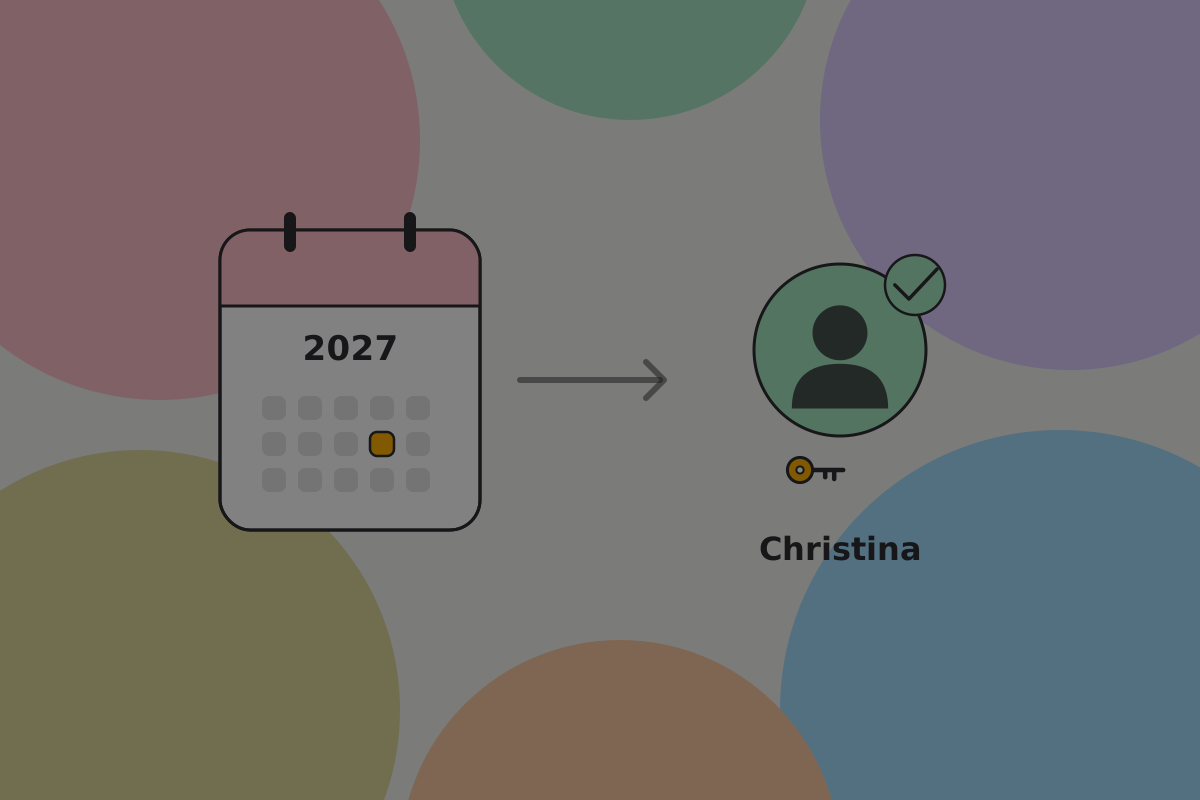
Show the schedule as dates with names against them: "From 14 March 2027, Christina can move this on her own."
Do
Default to a year. Shorter means more maintenance than anybody sustains; much longer means the beneficiaries wait at the worst time.
Don't
Let the wallet hold more than the rehearsal amount until the recovery path is built and every beneficiary has a copy. When the real money arrives, rebuild the path against it: money received after signing is not covered until the next refresh.
Reviewing before committing
Do
End with the table from Overview, filled in with real names: who can spend alone, who can spend together, and who can act after the period. It is the last chance to catch an arrangement that does not match what the owner meant.
Do
Require a rehearsal with a small amount before the wallet holds anything real: fund it, spend from it with two keys, then build the recovery path and confirm every beneficiary has it.
Saving an unfinished setup
The feature that decides whether this product works.
Do
Save after every step and make the unfinished wallet visible on the home screen with what is still needed. "Waiting for Christina's key" is a state the owner can act on a week later.
Do
Remind, gently, about an unfinished setup. It is the one nag worth having.
Open questions
- How long does a real household take to finish this setup, and where do they stop?
- Which two or three named arrangements cover most families?
- Does a reminder about an unfinished setup lead to completion, or to the wallet being deleted?
Related
Written from: BRC-42, BRC-140, ts-stack script docs, Chronicle upgrade notes.
Checklist
The rules on this page, in a form you can work through.
14 rules