

Personal finance
The money jobs people already have, which ones BSV suits and which it does not, and the wallet that fits each.
Start from the money jobs people already have, not from the technology. This page lists those jobs, says which ones BSV suits, and says plainly which it does not.
Jobs BSV suits well
Paying for small things
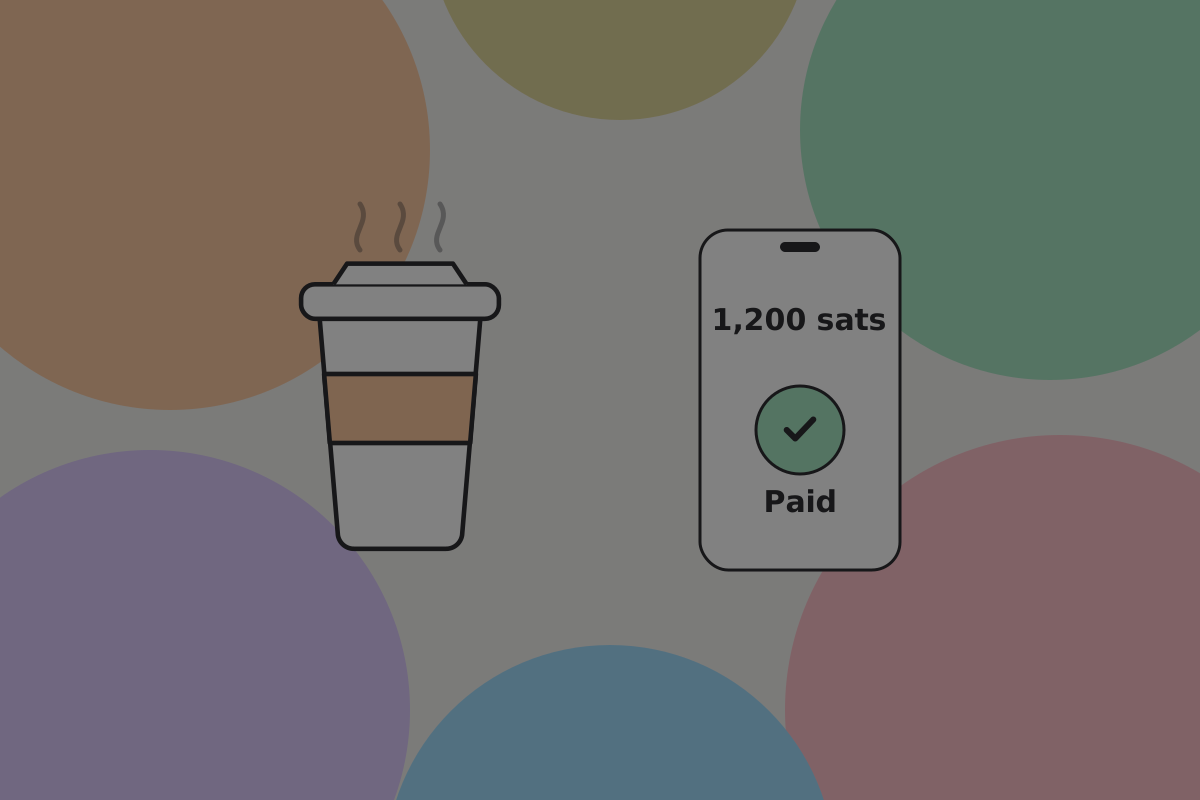
A coffee, a bus fare, a round. The payment completes between the two wallets in seconds, before it reaches a block. The fee is less than 1p, and the recipient can say "Paid" while the customer is still there.
The wallet: an everyday wallet holding what the person can afford to lose. See Daily spending wallet.
Paying for use rather than subscription
The job BSV makes practical: an article, an API call, a minute of something. A price of a few satoshis works, so there is no need to batch them into a monthly charge or a credit balance.
The wallet: the everyday wallet, with a spending allowance granted to the app. See Spending allowances.
Few products have tried this yet, and most of its design problems are unsolved. If you are looking for a problem to work on, start here. See Why design for BSV.
Being paid
Freelance work, selling something, splitting a bill. A readable handle, a payment that arrives in seconds, no account, no processor taking a percentage, no funds held for days.
The wallet: the everyday wallet, with anything above a comfortable balance moved to savings.
Sending money to another country
No correspondent banks, no three-day wait, and the same fee as a local payment. The transfer is the easy part. The hard part is getting in and out of local currency at each end, which is where most of the cost still sits.
Do
Be honest about the whole journey. A product that advertises a transfer costing less than 1p and leaves the recipient paying several percent at an exchange has not saved anybody anything.
Keeping savings nobody can freeze
Money held outside any institution's permission. The trade is that there is nobody to call. That is a real cost, and the product should state it.
The wallet: a savings wallet, multi-key, not connected to apps. See Savings wallet.
Passing money on
An arrangement where the people who should inherit can reach the money when the time comes, without needing the owner's help. See Inheritance wallet.
Jobs BSV does not suit
Saying so is more useful than pretending otherwise.

Holding money you will need next month at a known value. The price moves, in both directions, and somebody's rent should not be exposed to it. A stablecoin or a local-currency balance is the right answer. A good wallet says so rather than discouraging the question.
Borrowing and credit. Nothing here lends. A person who needs credit needs a lender.
Anything requiring reversal. No chargebacks is a feature for a merchant and a risk for a buyer. For a large purchase from a stranger, a card protects the buyer better.
Being somebody's only money. Self-custody means no password reset. For most people this should sit alongside a bank account, not replace it.
Do
Name the limits in the product where they are relevant. A wallet that says "this isn't where to keep next month's rent" earns more trust than one that implies it is good for everything.
Mapping jobs to wallets
| Job | Wallet | Why |
|---|---|---|
| Daily spending, paying apps | Everyday | Fast, connected, small balance |
| Being paid | Everyday | A handle people can use |
| Savings | Savings | Multi-key, no app connections |
| Shared household money | Shared | Several people, one rule |
| Passing it on | Inheritance | Succession built in |
| Letting software spend | Agent | Hard limits, separate keys |
See Wallet setups and Multiple wallets.
Budgeting
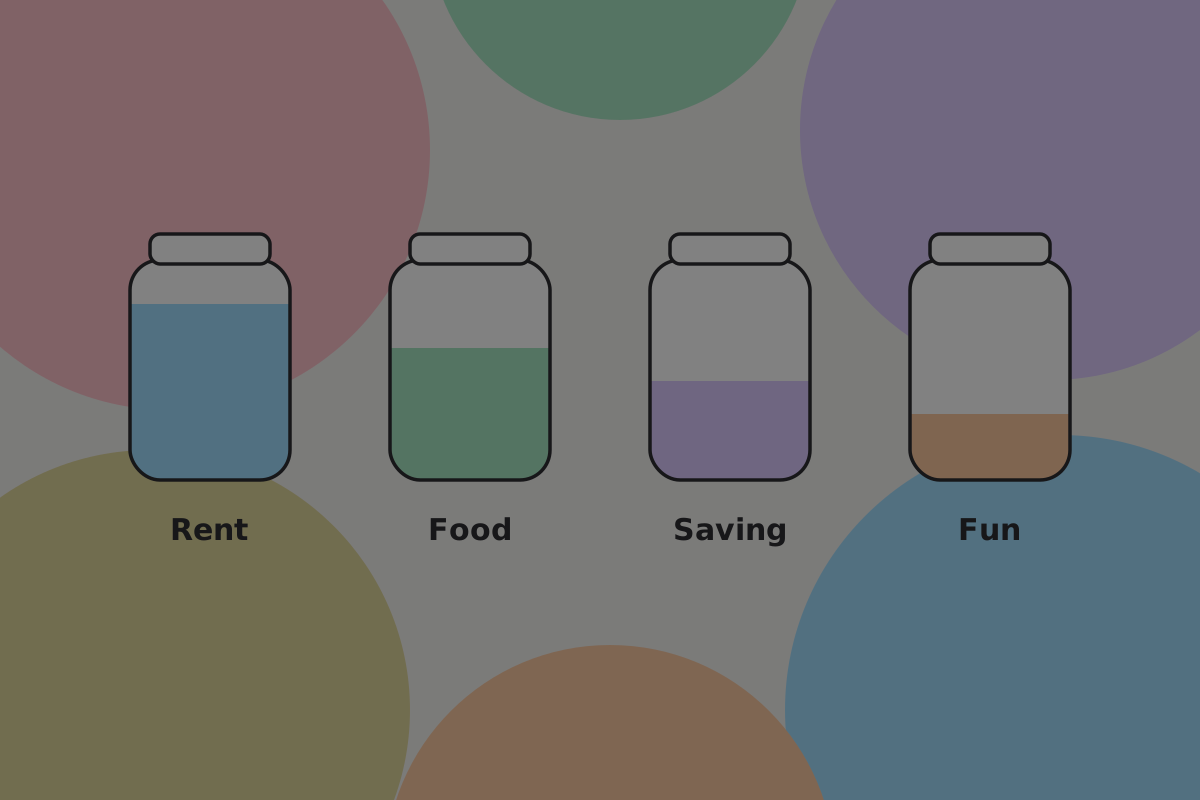
People manage money in pots: rent, food, saving, fun. A wallet that holds several named balances maps onto that directly, and does it better than a bank account with one number.
Do
Let people name and separate pots, and show them together with a total. See Multiple wallets.
Don't
Ship budgeting features before sending, receiving and backup work reliably. People can skip a budget; they cannot skip those.
Related
Written from: BRC-29, BRC-100, BRC-121.
Checklist
The rules on this page, in a form you can work through.
4 rules